
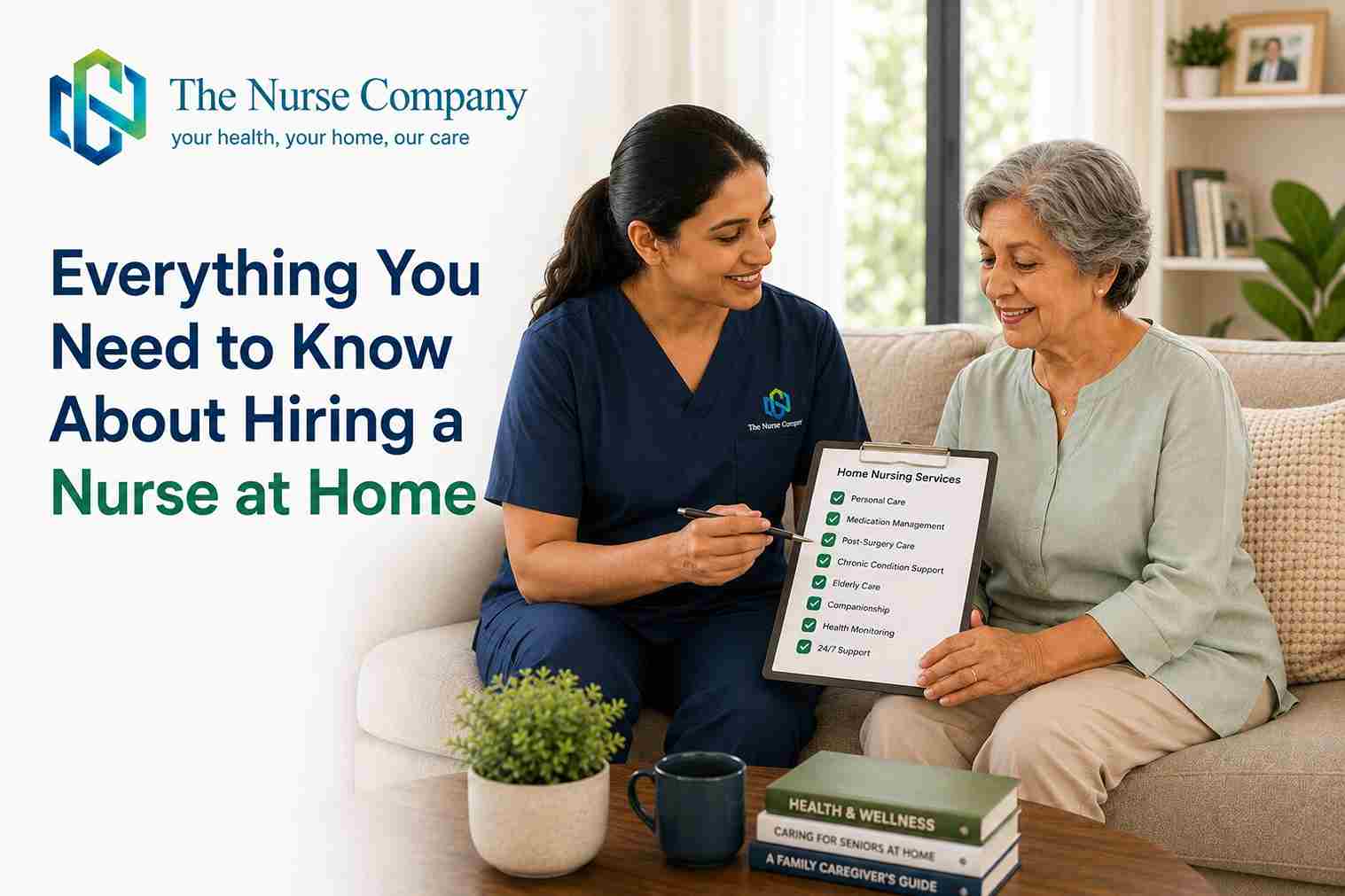
Everything You Need to Know About Hiring a Nurse at Home
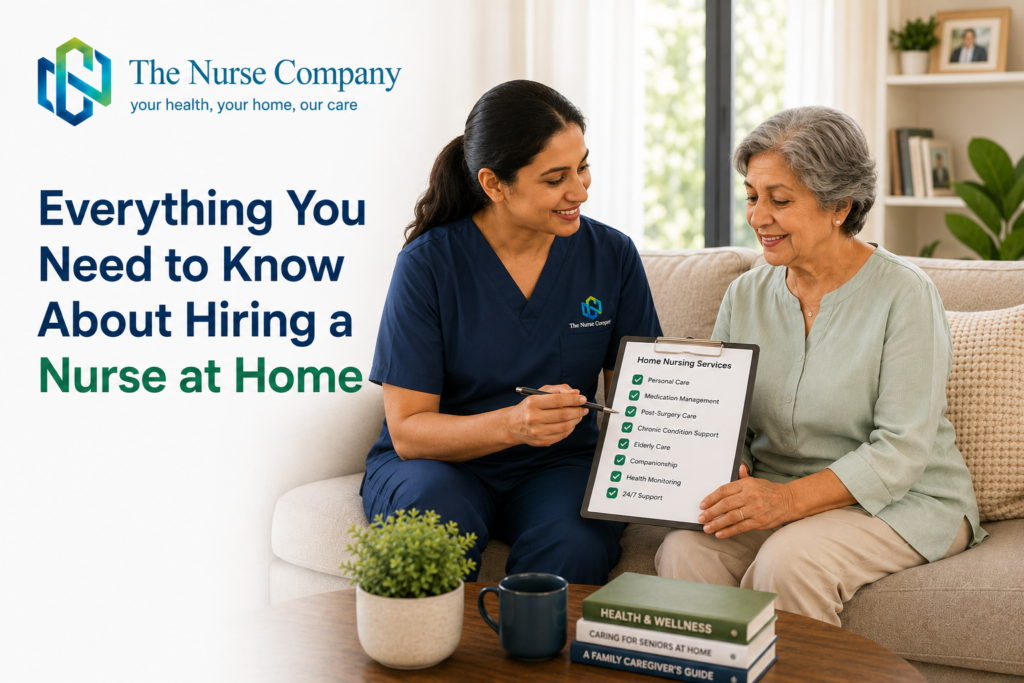
Hiring a nurse at home is one of those decisions people put off until they are already in the middle of a crisis: a parent recovering from surgery, a newborn who needs round the clock support, or an elderly relative who can no longer manage alone. Understanding how home nursing actually works before you need it makes the decision far less overwhelming when the time comes.
What Home Nursing Actually Covers
Home nursing is a broad category, and most people only discover how broad it is once they start looking into it. It can mean a private nurse at home managing medication and wound care after a hospital discharge, a companion helping an elderly parent with daily routines, or a maternity nurse supporting a new mother through the first weeks after birth. The common thread across all of it is professional, licensed care delivered in a familiar setting instead of a hospital ward or care facility.
Elderly Care
Elderly care at home is one of the most requested home nursing services, and for good reason. Most seniors recover faster, sleep better, and feel more like themselves when they stay in their own home rather than being moved into an unfamiliar facility. A home nurse can assist with mobility, medication schedules, monitoring chronic conditions, and general daily support, while family members stay involved without carrying the full weight of caregiving alone. For families managing conditions like diabetes, post-stroke recovery, or dementia, having a trained nurse present daily also means changes in condition get caught early rather than missed between family visits.
Mother and Baby Care
The weeks after childbirth are physically demanding and often exhausting, and mother and baby care services exist specifically to support that window. A qualified nurse can help with newborn feeding routines, umbilical cord care, postpartum recovery monitoring, and simply giving an exhausted parent a few hours of real rest. This kind of support tends to matter most for first time parents or families without relatives nearby to help, and it can make the difference between a stressful first month and a manageable one.
Babysitting at Home
Babysitting at home is sometimes treated as a separate category from nursing, but the better providers train their babysitters in basic first aid and child safety protocols rather than treating the role as casual supervision. Whether it is a single evening or a recurring weekly arrangement, babysitting through a licensed home care provider means the person in your home has been vetted, trained, and is accountable to an actual company rather than being an informal arrangement based on a recommendation.
Private Nurse at Home for Recovery and Chronic Conditions
A private nurse at home is typically brought in after surgery, during a serious illness, or for ongoing management of a chronic condition. This can include wound dressing changes, IV therapy monitoring, injections, vital sign tracking, and coordination with the patient’s doctor to make sure recovery stays on track. Because the care is one on one, it tends to be more attentive than what a patient would receive during a short hospital stay, and it removes the added stress of travel for someone who is already unwell.
What to Check Before Hiring
Not every home care provider operates to the same standard, so a few checks matter before you commit to one.
Confirm the company is licensed by the relevant health authority in your city, and ask whether the nurses themselves are individually certified rather than just employed by a certified agency. Ask how staff are vetted, whether background checks are standard, and how the company handles emergencies outside of normal hours. For elderly care and private nursing specifically, ask whether a supervising doctor or care coordinator reviews the case periodically rather than leaving a single nurse fully independent for the entire duration of care.
It is also worth asking how flexible scheduling is. Some families need a home nurse for a few hours a day, others need someone present around the clock, and a good provider should be able to scale up or down as needs change rather than locking you into a fixed package that does not fit your situation.
Choosing a Provider You Can Trust
In the UAE, providers like The Nurse Company operate under DHA certification and offer home nursing across elderly care, mother and baby care, babysitting, and private nursing for recovery and chronic conditions. Checking for that kind of licensing is a reasonable first filter no matter which home care company you are considering, since it is the clearest signal that staff have been properly trained and vetted before ever stepping into your home.
Final Thoughts
Hiring a nurse at home is rarely a decision made casually, and it usually comes at a moment when a family already has enough to manage. Understanding what elderly care, mother and baby care, babysitting, and private nursing actually involve ahead of time means you are not researching from scratch during an emergency. A licensed home nursing provider should feel less like hiring a stranger and more like adding a trained professional to your existing support system, one who happens to work from your living room instead of a hospital corridor.