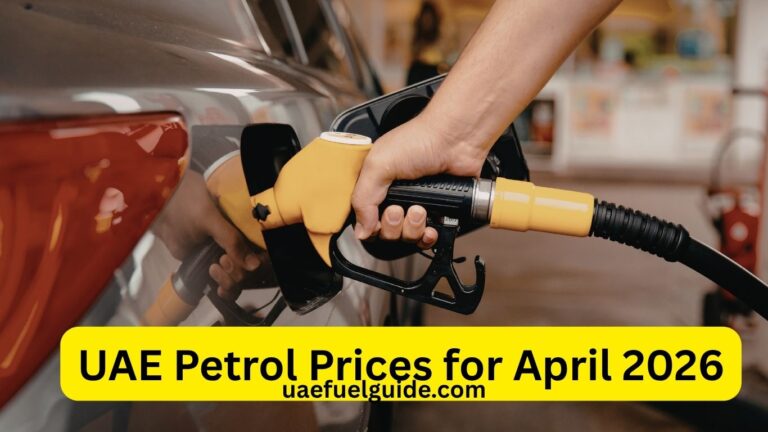
Fuel price UAE – what every driver, fleet manager, and commuter needs to know
A small change in the official fuel price can ripple through household budgets, taxi fares, and delivery charges across the Emirates. Because fuel pricing in the UAE is reviewed regularly and tied to global markets, staying informed is part of everyday money management here. This article explains how fuel price UAE are determined, where to check the current rates, what affects monthly movement, and realistic ways drivers and businesses can reduce fuel spending without sacrificing convenience.
How fuel price UAE are set and announced
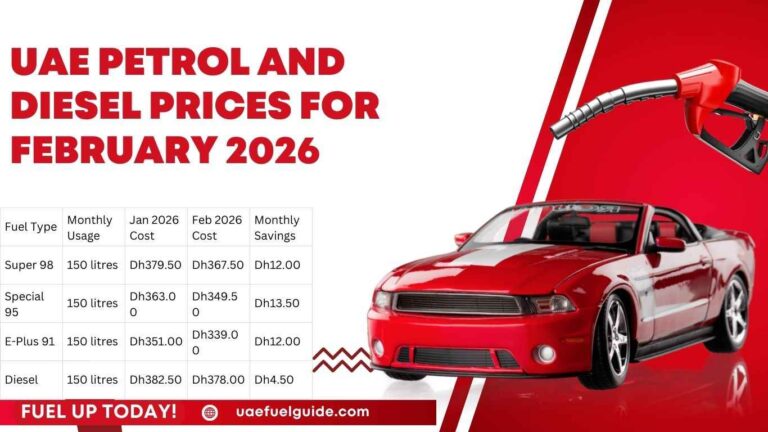
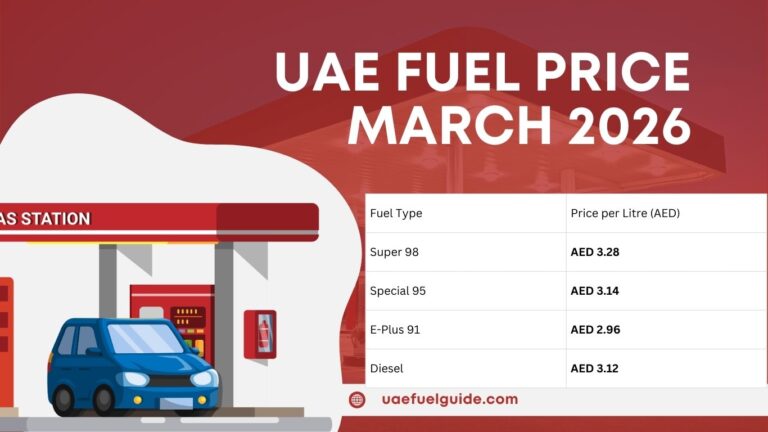
Fuel price UAE are not random. They reflect a mix of global oil benchmarks, supply and demand, refining and logistical costs, and local retail margins. Authorities and major fuel distributors monitor international crude prices, exchange rates, and regional supply trends, then translate those signals into a retail price per litre for petrol and diesel. That price is reviewed on a monthly basis, and revisions are announced via official channels and distributor networks so stations and consumers can plan ahead.
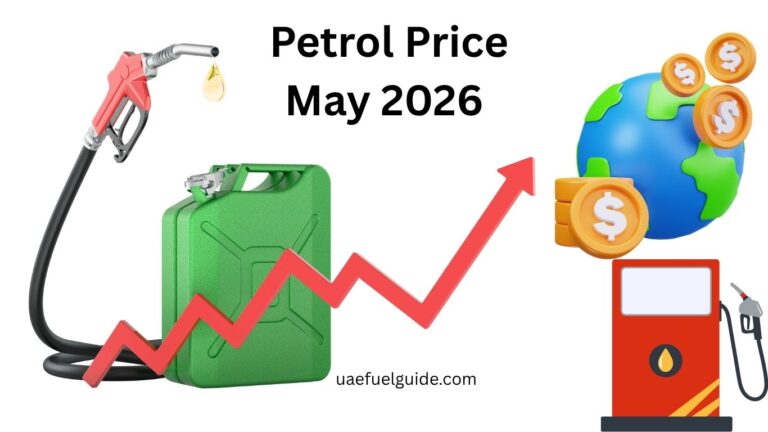
Because global crude moves with geopolitical events, shipping costs, and seasonal demand, a price rise abroad can show up at the pump here within weeks. Conversely, lower global prices tend to filter down to retail sooner than many people expect. For up-to-the-minute figures, check the Ministry of Energy and Infrastructure updates, official pages from ADNOC Distribution, ENOC, and Emarat, and our live price board at UAEFuelGuide.com where we collect monthly announcements in one place.
Which fuel grades matter and typical station differences
In the UAE pumps typically display multiple grades of petrol by octane rating, commonly labelled as 98, 95, and 91, plus diesel. The gap between grades is the premium you pay for higher octane, which matters mainly for high-performance cars that require it. Margins between different station operators are usually narrow, but occasional promotional offers, loyalty discounts, or corporate rates can make a small but useful difference for regular drivers and fleets.
For fleets and heavy users, volume contracts with major distributors can reduce per-litre cost and lock in predictable budgeting. Private drivers often benefit more from loyalty programs, app-based discounts, and timing purchases when price changes are announced.
Why monthly changes matter for households and businesses
Even modest monthly increases add up. For a commuter who drives daily, fuel is a regular household expense on par with utility bills and groceries. Businesses that depend on road transport – couriers, taxis, food delivery, logistics companies – see fuel movement eat into margins quickly. That is why many businesses use fuel price forecasts and hedging strategies or update delivery fees and fare structures to reflect persistent price shifts.
For individual drivers, the practical impact is less about panic and more about small habit adjustments that cumulatively reduce fuel spend. For businesses, it is about route planning, vehicle selection, and scheduling to protect margins.
Where to check the latest fuel price UAE and trusted sources
Accurate sources are essential. Official announcements from the Ministry of Energy and Infrastructure and statements from major distributors are primary. ADNOC Distribution, ENOC, and Emarat publish monthly retail prices and station-level updates. Local news outlets and trade pages report context and industry reactions. For a single hub that collects all current retail figures, historical trends, and practical guidance, visit UAEFuelGuide.com for analysis on what price moves mean for commuters and businesses.
Practical driving and maintenance tips that cut fuel use
Small changes in driving style and vehicle upkeep can reduce fuel consumption noticeably. Regular tyre pressure checks improve rolling efficiency, and a well-tuned engine returns better mileage. Avoiding aggressive acceleration and heavy braking keeps your fuel burn lower on city routes. Where possible, consolidate errands into fewer trips and choose off-peak times to avoid congested corridors that spike fuel use in stop-and-go traffic.
For UAE drivers, using cruise control on highways around Abu Dhabi and Dubai can stabilise speed and use less fuel on long runs. If you drive a high-emission SUV for occasional needs, consider using a smaller, fuel-efficient car for daily commuting. For businesses, route optimisation software, scheduled maintenance, and driver training programmes are cost-effective levers to control fuel budgets.
How electric and hybrid adoption changes the fuel picture
As more hybrid and electric vehicles appear on UAE roads, long-term fuel demand will adjust. Electric vehicles reduce exposure to monthly petrol volatility, though they come with charging infrastructure considerations and different upfront costs. Hybrid cars provide an intermediate step, lowering consumption while keeping the convenience of petrol stations for long trips. If you are planning a new vehicle purchase, compare total cost of ownership, accounting for likely fuel prices, charging options, and maintenance schedules.
Saving strategies for commuters and fleet managers
Commuters can choose a combination of tactics to lower monthly spending. Carpooling with colleagues or neighbours spreads costs. Using public transport for part of the commute, or parking outside heavy-traffic zones and taking rapid transit when available, shrinks fuel use and stress. Plan weekly routes to avoid duplication, and use apps to find nearby stations with loyalty or time-limited discounts.
Fleet managers should review vehicle mix, negotiate corporate fuel rates, and adopt telematics to track idling and harsh driving. Fuel cards with detailed reporting make reconciliation simple and can reveal wasteful patterns. In competitive delivery markets, setting distance-based minimum fees and reviewing pricing regularly helps keep operations profitable when fuel prices move.
How holidays, tourism, and regional events affect pump prices
Demand patterns in the UAE shift for holiday seasons, large events, and peak tourism months. Greater traffic to coastal and mountain destinations increases short-term fuel demand, which can exert upward pressure if global markets are already tight. Large infrastructure projects and industrial activity in certain emirates also influence local distribution costs. While the retail mechanism already smooths many spikes, awareness of seasonal trends helps families and businesses plan fuel budgeting before major travel periods.
Understanding the bigger economic drivers
Global oil markets, OPEC decisions, refinery maintenance cycles, and shipping disruptions are the big-picture forces behind monthly changes in the retail price you see on the pump. Currency stability also plays a role. The UAE dirham is pegged to the US dollar, and movements in the dollar and global pricing benchmarks like Brent crude indirectly affect retail levels. For readers who want context alongside numbers, UAEFuelGuide.com posts monthly analysis that links price moves to global and regional events.
How to read a petrol station receipt and spot charges
Receipts show litres dispensed, unit price, and total cost. For card payments, some stations list a small service charge or convenience fee; these are usually transparent and small. Corporate and fuel-card invoices often break down discounts and rebates, making it easier for businesses to audit consumption. If something looks off, most major distributors provide customer service channels to query receipts or report wrong pricing.
Digital tools and calculators to help you plan
Online calculators help estimate monthly fuel costs based on distance driven, vehicle fuel economy, and current price per litre. UAEFuelGuide.com includes a fuel cost calculator you can use to model scenarios, like switching to a hybrid or changing your daily commute. Combine that with our historical price charts to see how a persistent trend might affect your annual fuel budget.
Where to find discounts, loyalty offers, and promotions
Major distributors and shopping partners run loyalty schemes that reduce per-litre cost or provide redeemable points. Some payment cards offer petrol cashback in the UAE. Fuel apps aggregate station promos and let you compare prices nearby. For regular savings, register with the loyalty programs of ADNOC Distribution, ENOC, or Emarat and check partner supermarket or retail tie-ins that occasionally deliver extra discounts.
FAQ – Fuel Price UAE
Q: How often are fuel price UAE updated?
A: Prices are reviewed regularly, with official updates released on a monthly basis. Because global markets move continuously, distributors and regulators assess those changes before setting the retail rate for the coming cycle.
Q: Where can I check the current petrol and diesel price per litre?
A: Check official announcements from the Ministry of Energy and Infrastructure and distributor pages such as ADNOC Distribution, ENOC, and Emarat. For an aggregated view and historical trends, visit UAEFuelGuide.com.
Q: What factors cause fuel price UAEto rise or fall here?
A: International crude benchmarks, regional supply and refining conditions, shipping costs, exchange rate movements, and local distribution expenses are the main drivers. Geopolitical events or seasonal demand can also influence short-term shifts.
Q: Can I lock in a fuel price UAE for my fleet?
A: Some distributors offer corporate contracts or supply agreements that stabilise per-litre costs for a period. These arrangements depend on volume, contract terms, and market conditions, so speak with distributor account teams for options.
Q: Is there a big price difference between petrol grades?
A: Higher octane grades cost more per litre. The premium is significant mainly for high-performance cars that need the extra octane. For everyday vehicles, the lower grade recommended by the manufacturer is often the most cost-effective choice.
Q: How can I reduce my monthly fuel bill quickly?
A: Minor changes add up: keep tyres inflated, avoid rapid acceleration, combine trips, use cruise control on highways, and join loyalty programs. For businesses, review routes and adopt fuel cards and telematics to cut waste.
Q: Will electric vehicles make fuel price UAE irrelevant?
A: EVs reduce reliance on petrol and diesel, but full adoption will take time. Charging infrastructure, vehicle costs, and usage patterns mean many drivers will still need fuel for years. EVs are an important long-term hedge against fuel volatility rather than an immediate replacement for everyone.
Q: Do different emirates have different pump prices?
A: Retail prices are broadly aligned across the UAE following the national mechanism, though small timing differences or station-level promotions can create transient variations. Large fleets often negotiate regional contracts.
Q: Where can I get alerts when prices change?
A: Subscribe to official distributor alerts and follow UAEFuelGuide.com for monthly summaries, alerts, and analysis. Many mobile apps also send push notifications when distributors announce new prices.
Final note
Fuel price movement affects more than your weekly petrol stop. It touches household budgets, commuter choices, and business margins. Staying informed, making small, practical changes to driving and maintenance, and using the right digital tools help you manage costs without major lifestyle disruption.